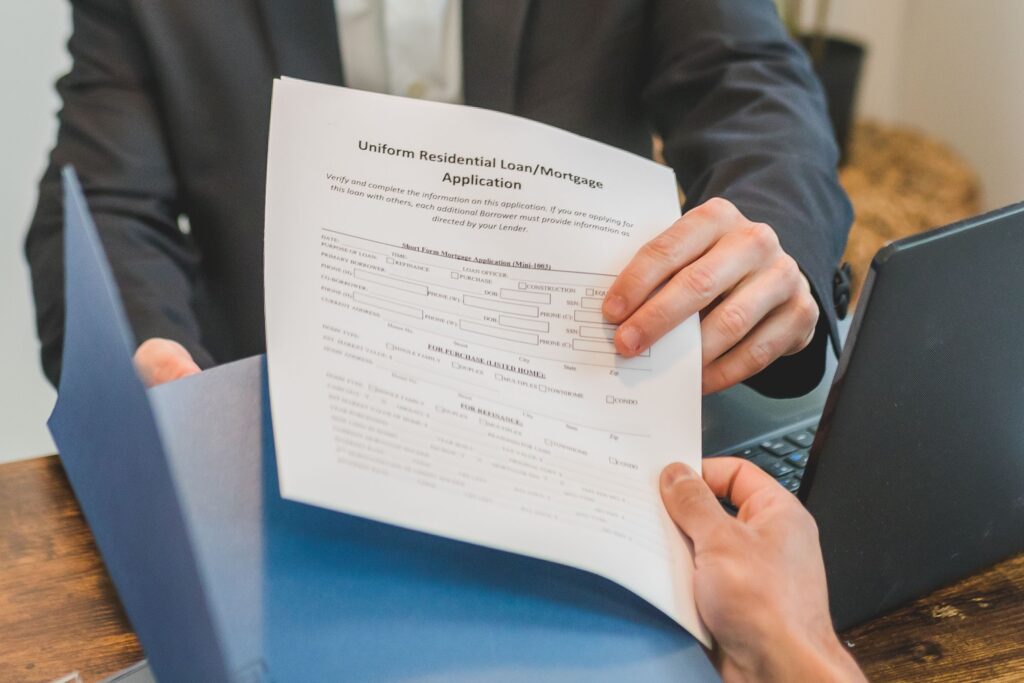
When financial distress hits, bankruptcy isn’t your only option—it’s just one tool in a larger toolbox. Before rushing into court, Georgia small business owners should consider private, out-of-court restructuring like negotiating loan modifications, lease restructures, or vendor payment plans, which are faster and less disruptive to daily operations. However, if the situation is too far gone, legal pathways like Chapter 7, Chapter 11, or streamlined Subchapter V reorganization become critical. Because creditors move swiftly once they lose patience, waiting too long only narrows your options and can eliminate powerful tools like Subchapter V entirely. Navigating these pressures requires analyzing your debts, assets, and personal guarantees early enough to choose the right strategy before your choices disappear.